 Kasra Vaziri
Product Leadership
Product Team Alignment Is the Job AI Can't Do for You
Building got cheap in 2026; agreeing on what to build didn't. Two new surveys show why product team alignment—not shipping speed—is the real constraint.
7 min read
Essays
Long thoughts and short notes on building products, leading teams, and the craft in between — plus dispatches from building Supsindex in the open.
Building got cheap in 2026; agreeing on what to build didn't. Two new surveys show why product team alignment—not shipping speed—is the real constraint.
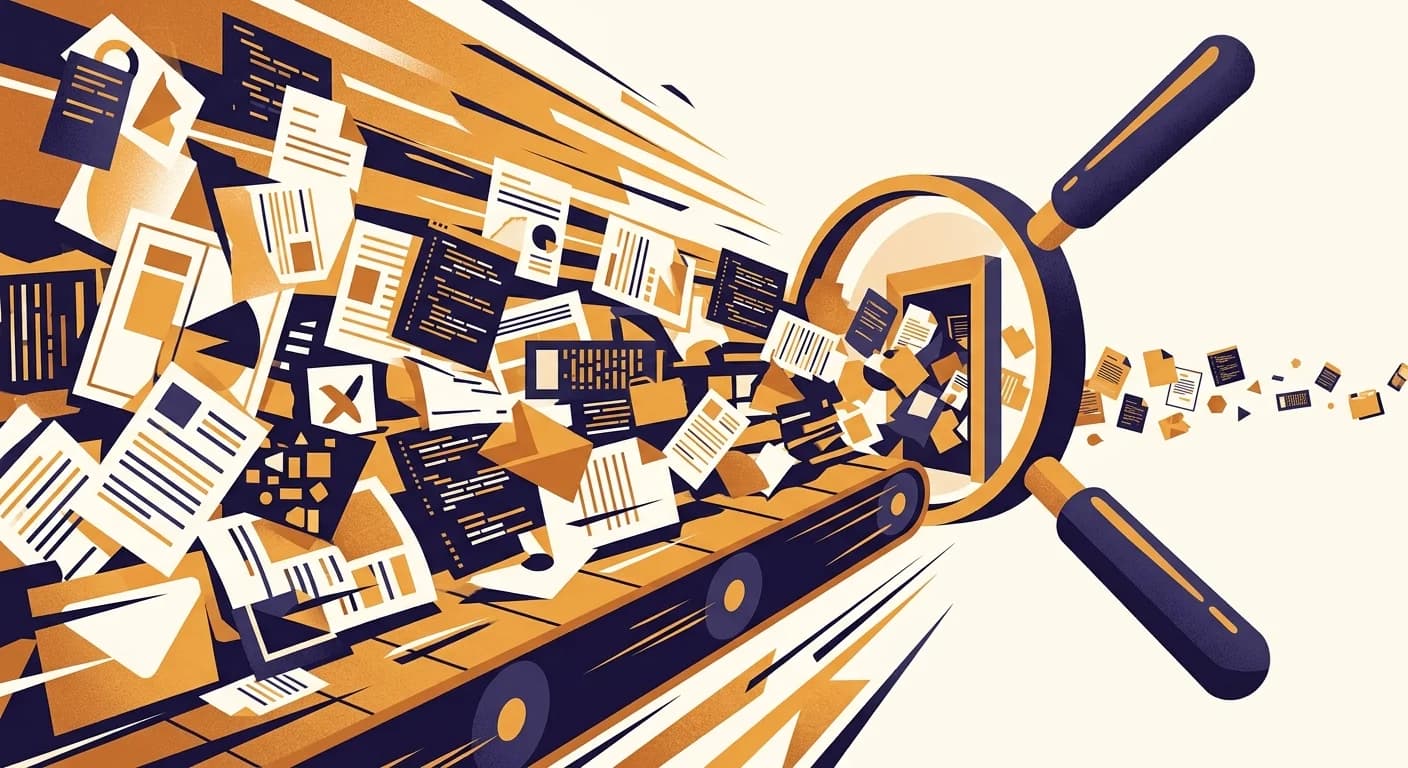
Generating a draft—code, a PRD, a design—is nearly free now. Checking whether it's any good is not. That shift should change how you run a product team.
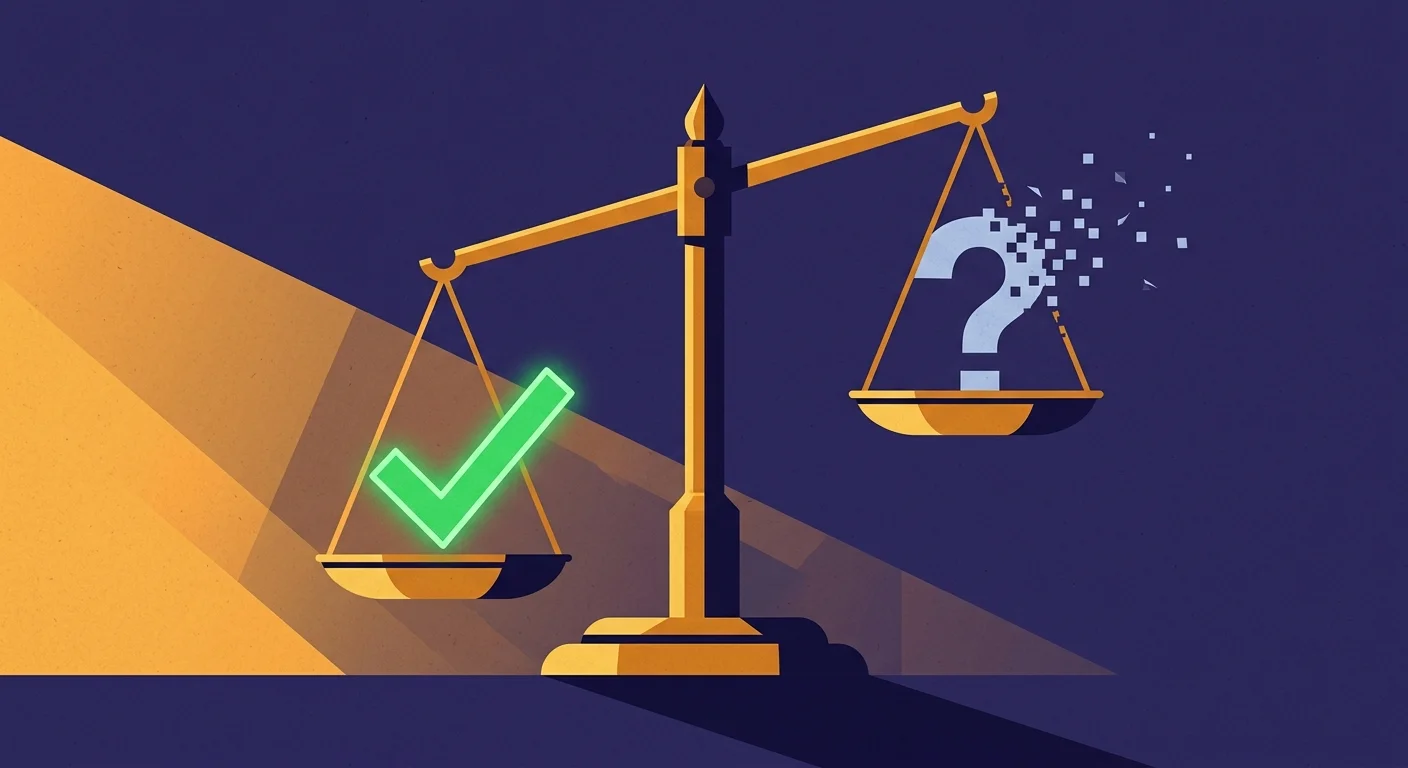
AI agents are switching from per-seat to outcome-based pricing. But the hard part isn't deciding to charge for results — it's defining, measuring, and defending what a billable 'outcome' actually is.
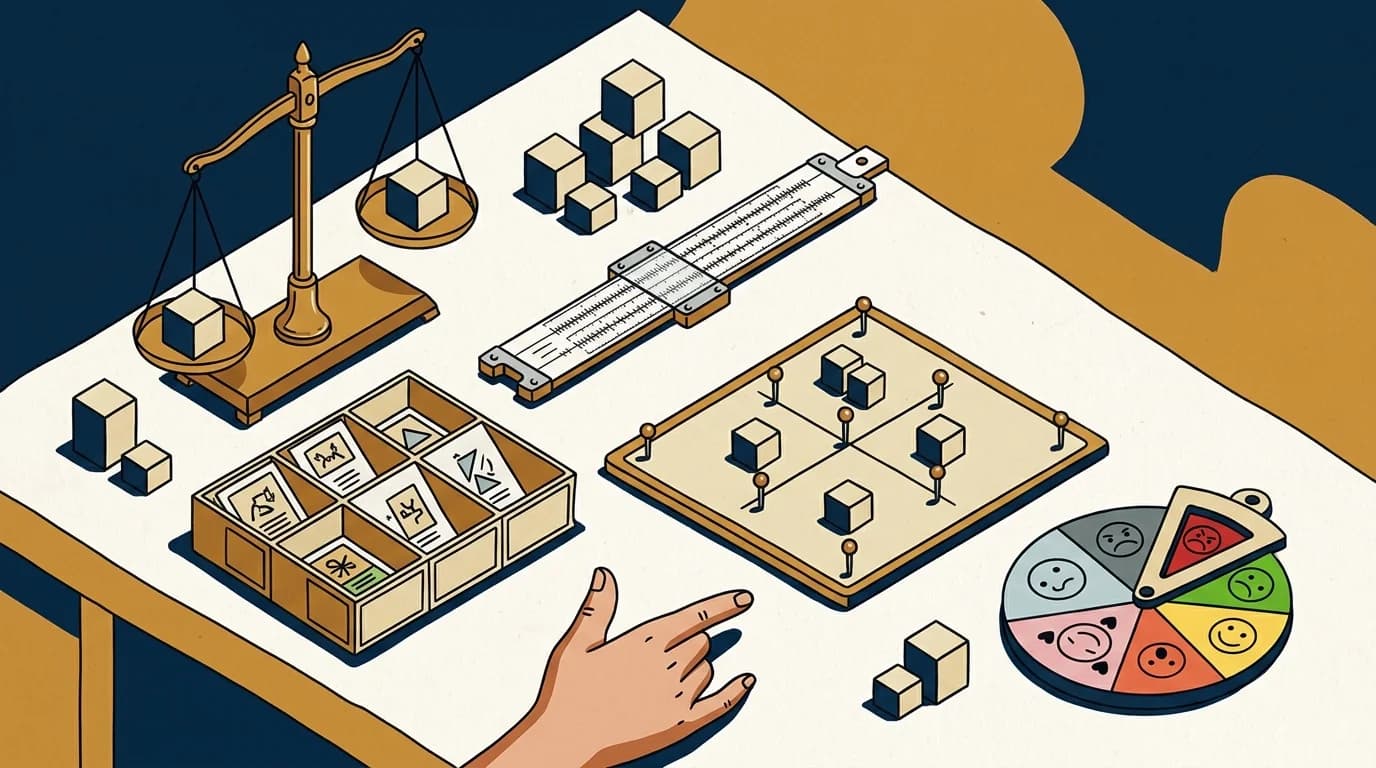
A practical comparison of the main prioritization frameworks — RICE, ICE, Kano, value-vs-effort, and MoSCoW — what each is good and bad at, when to reach for which, and why a score is an input to judgment, not a replacement for it.
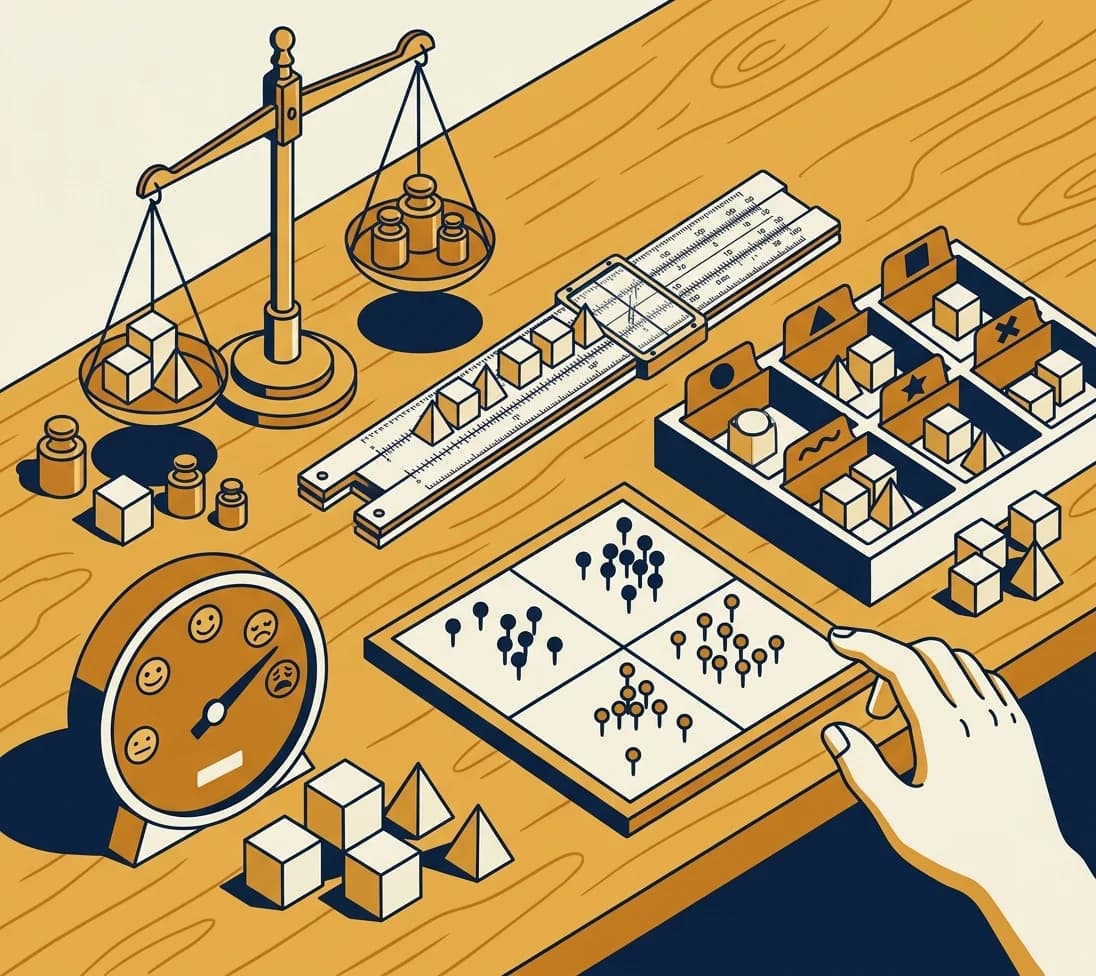
Product sense isn't innate taste. It's a trainable practice of habits any PM can run on purpose. Here are the four reps that build it.

A personal reflection on hitting burnout and what it taught me about pace: hustle culture lies, and a sustainable pace beats heroic sprints over years.
A public product changelog is one of the highest-ROI habits a team can build — it shows momentum, builds trust, doubles as marketing, and forces shipping discipline. Here's what good ones look like and how to run one.
Most PRDs die unread. A practical, problem-first guide to writing a product requirements doc engineers respect: ruthless scope, real acceptance criteria, and a living doc instead of a 30-page spec nobody reads.

The 1:1 is the highest-leverage hour you run as a manager, and most are wasted on status. Here's how to make it the report's meeting: cadence, questions to ask, and what to never do.
A reflective essay on what good management actually looks like — the manager who protects instead of blocks, gives context instead of orders, and grows people instead of using them.
Your first 100 users won't show up — you recruit them by hand. The unscalable tactics that actually work: going where users already are, warm-intro DMs, and concierge onboarding you do yourself.

Building in public is a trade, not a gift. An honest ledger of the real payoffs (accountability, audience, feedback, distribution) and the real costs (noise, copycats, performative metrics, pressure) plus rules for doing it well.
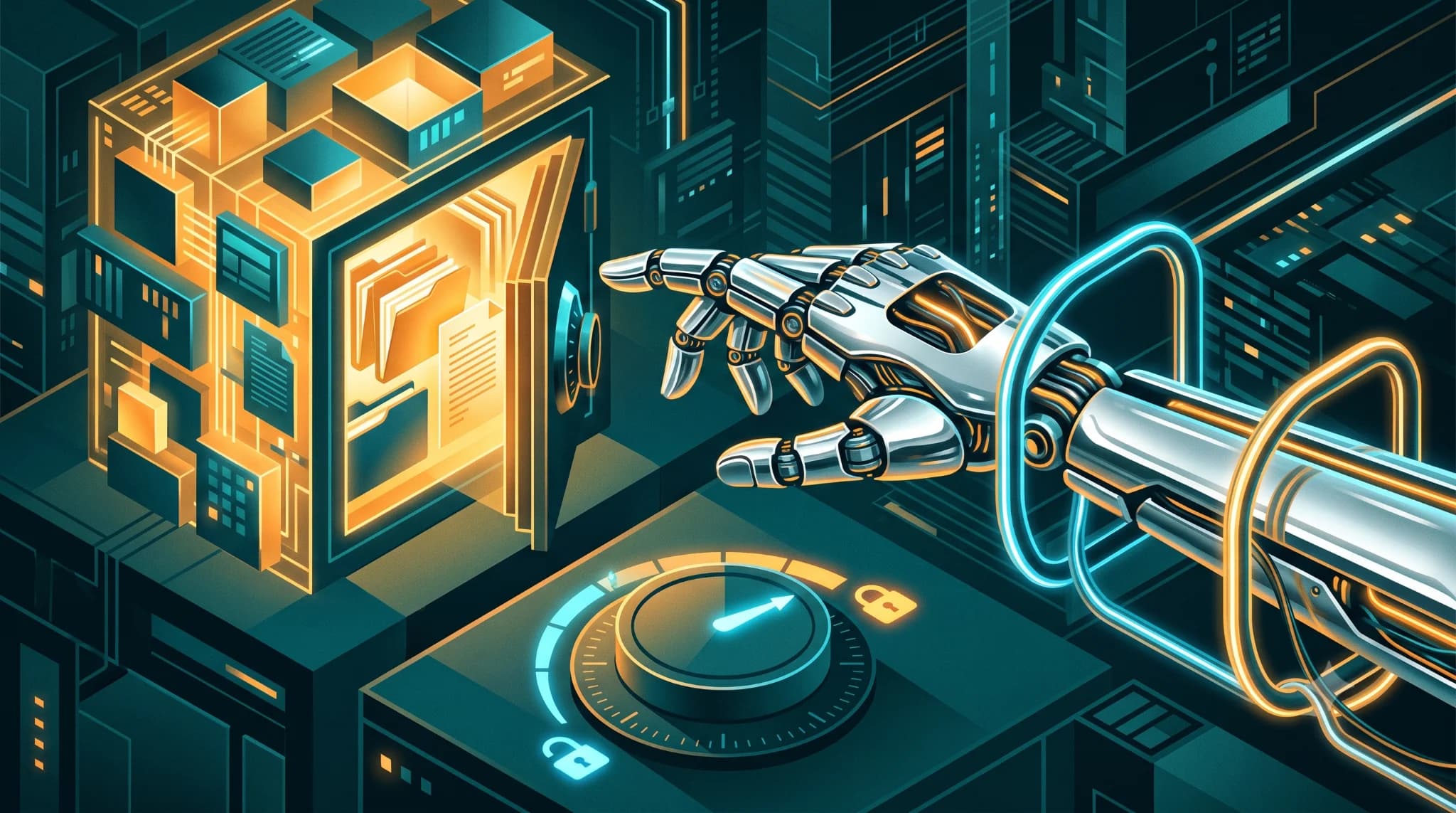
An AI agent got tricked into leaking private repos by an issue that said "Additionally." The lesson for product teams: how much autonomy you grant an agent isn't a security detail — it's the shape of the feature.

A practical method for choosing a north star metric that captures real customer value instead of vanity numbers, with examples from Airbnb, Spotify, and Facebook.
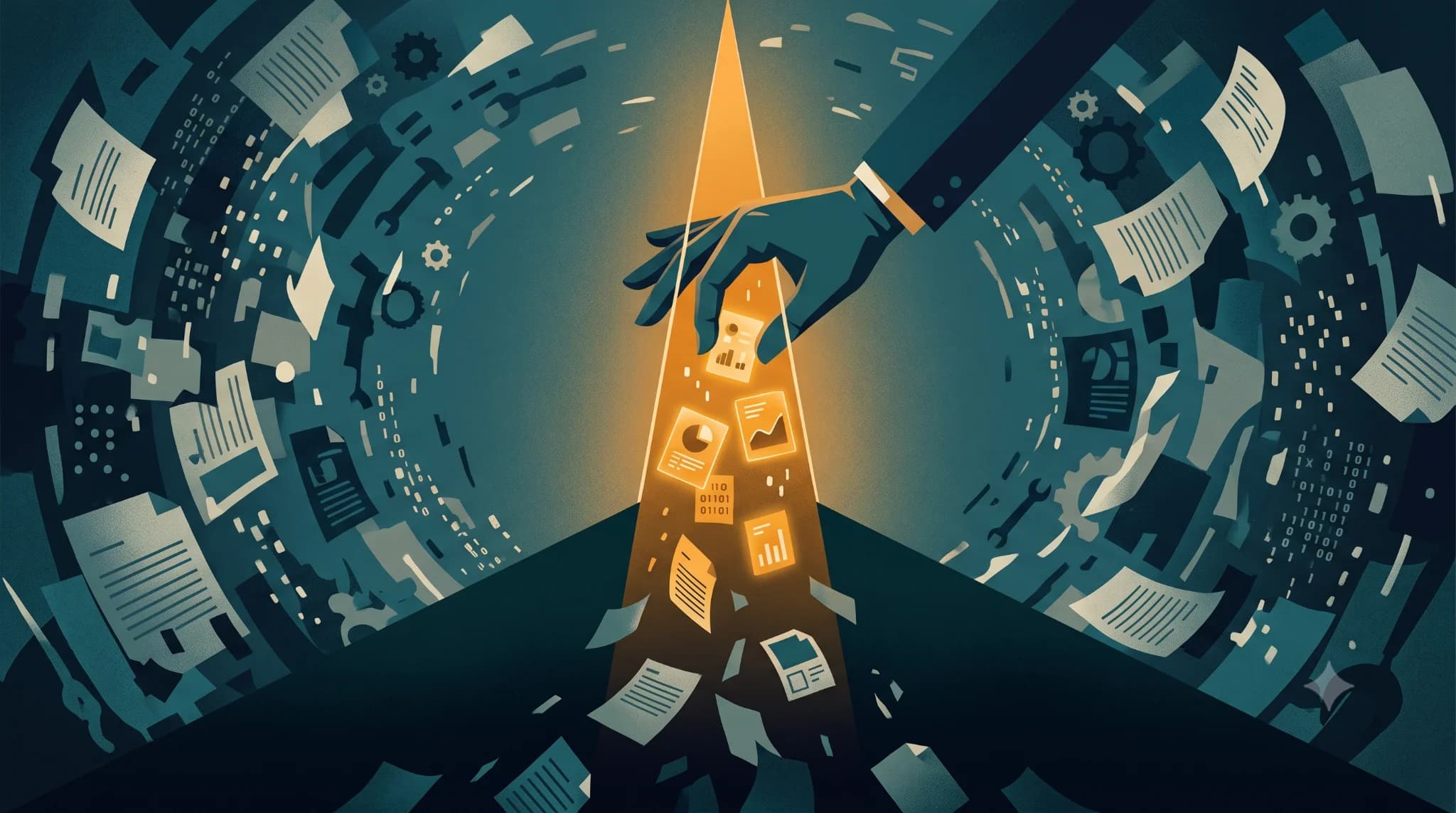
Your AI demo works and production doesn't — and the model is rarely the problem. The real skill now is context engineering: treating the model's context window as a scarce budget you spend with intent.

Real product strategy is focus and sacrifice. It's mostly the good ideas you choose not to build. On the cost of saying yes, why pleasing everyone is no strategy, and how to make focused bets.

A CPO's field notes on product taste: why obsessing over the invisible details no one will notice is a discipline, not vanity, and how small craft compounds.
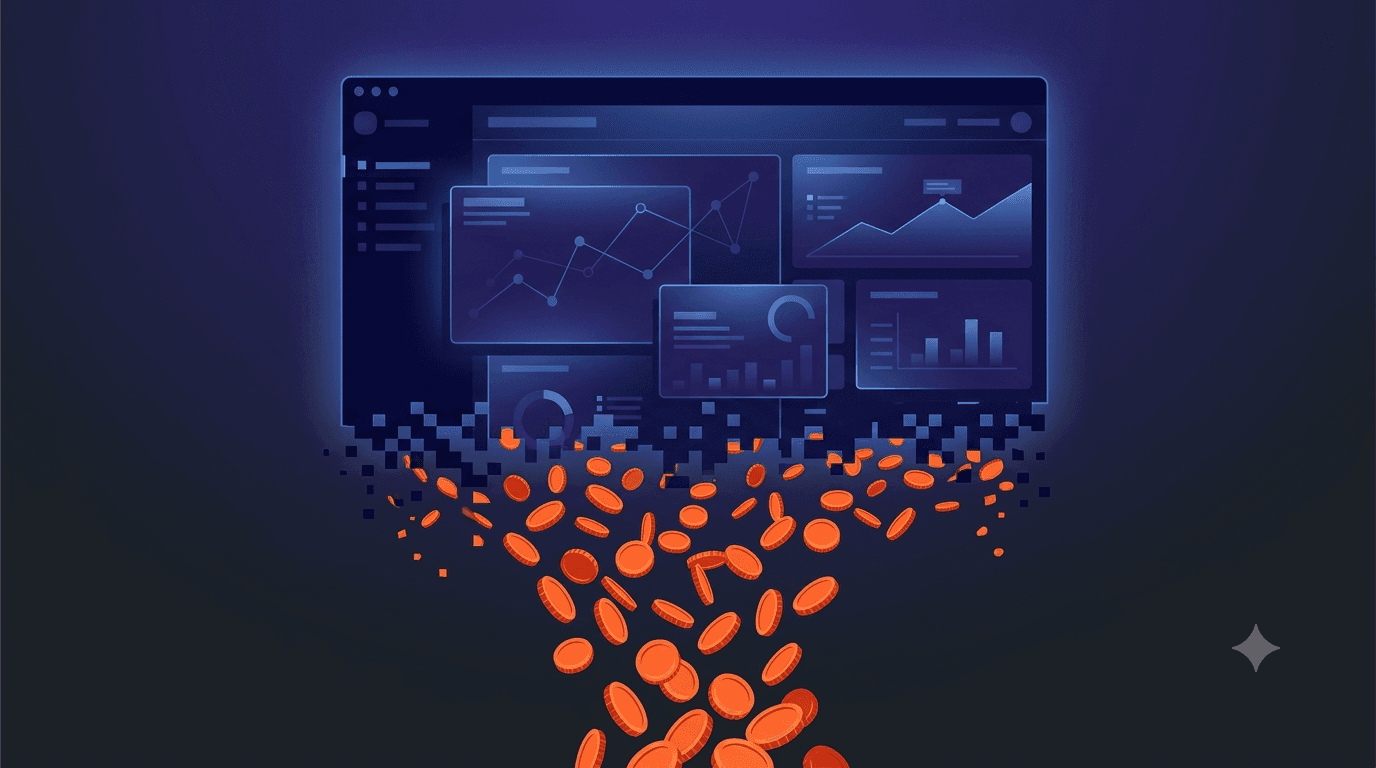
Your AI feature ships, users love it, and every interaction quietly burns compute. AI gross margins are running 20–30 points below classic SaaS — and that's a product decision, not a finance one.

Perfectionism is the most expensive habit in product. The case for launching an MVP that's embarrassing but not broken, and how to scope a launchable slice.
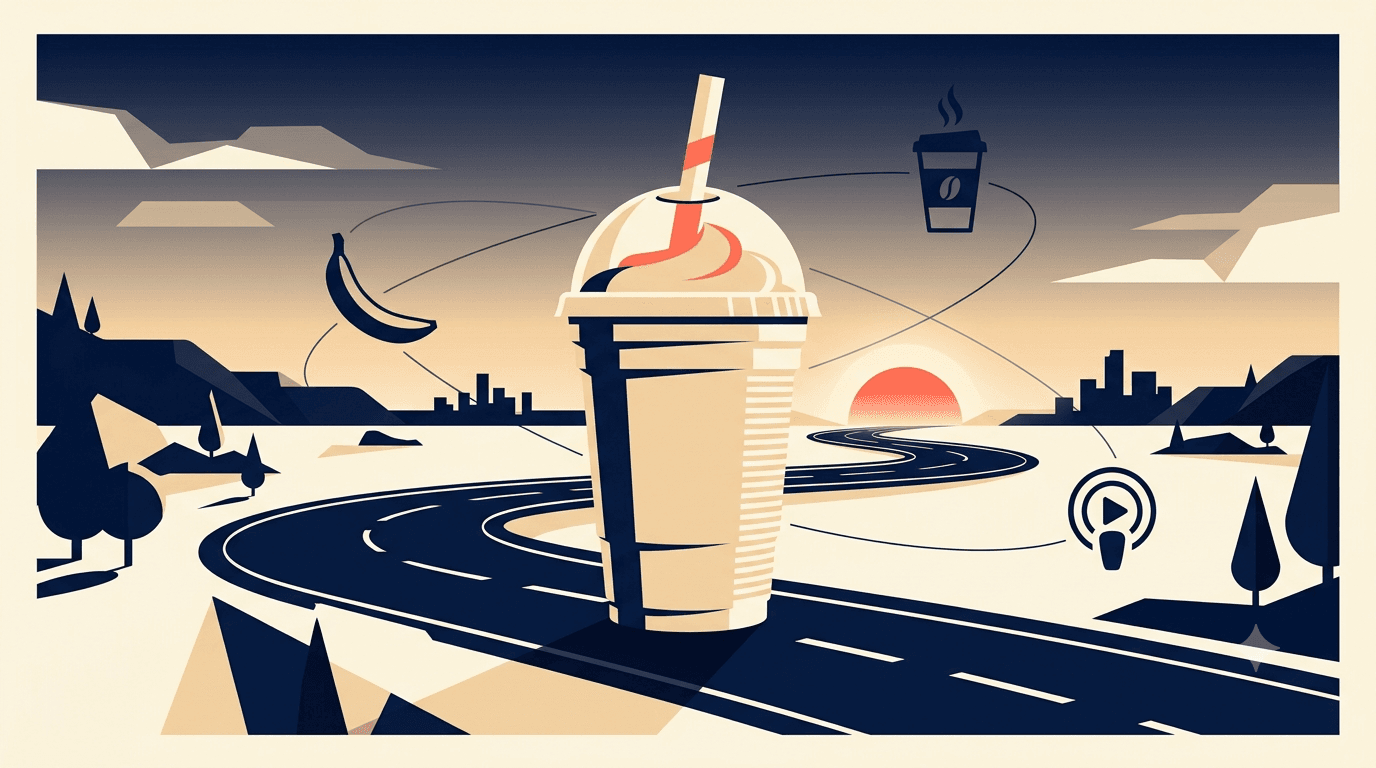
Jobs to be done, minus the jargon: the milkshake story, a modern example, switch interviews, the four forces of progress, and how teams misuse it.
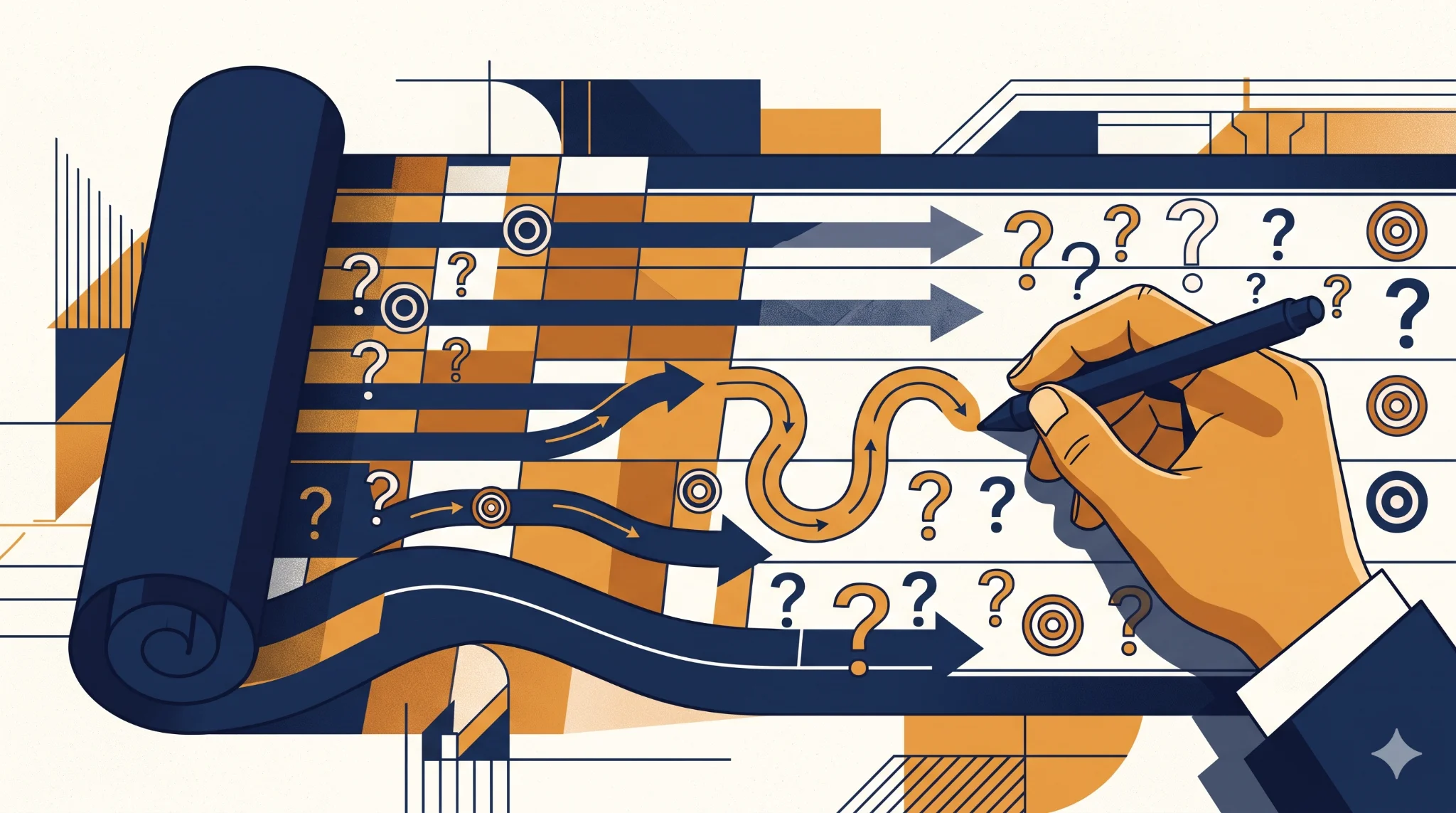
Feature-list roadmaps over-promise outputs and lock teams into a solution before they understand the problem. Here is the case for a problem-and-outcome roadmap, how to build one with now-next-later, and how to sell it to stakeholders who want dates and features.

Per-seat pricing measured logins. AI does the work without them — so the better your product, the less you earn. Why how you charge is now a product decision.
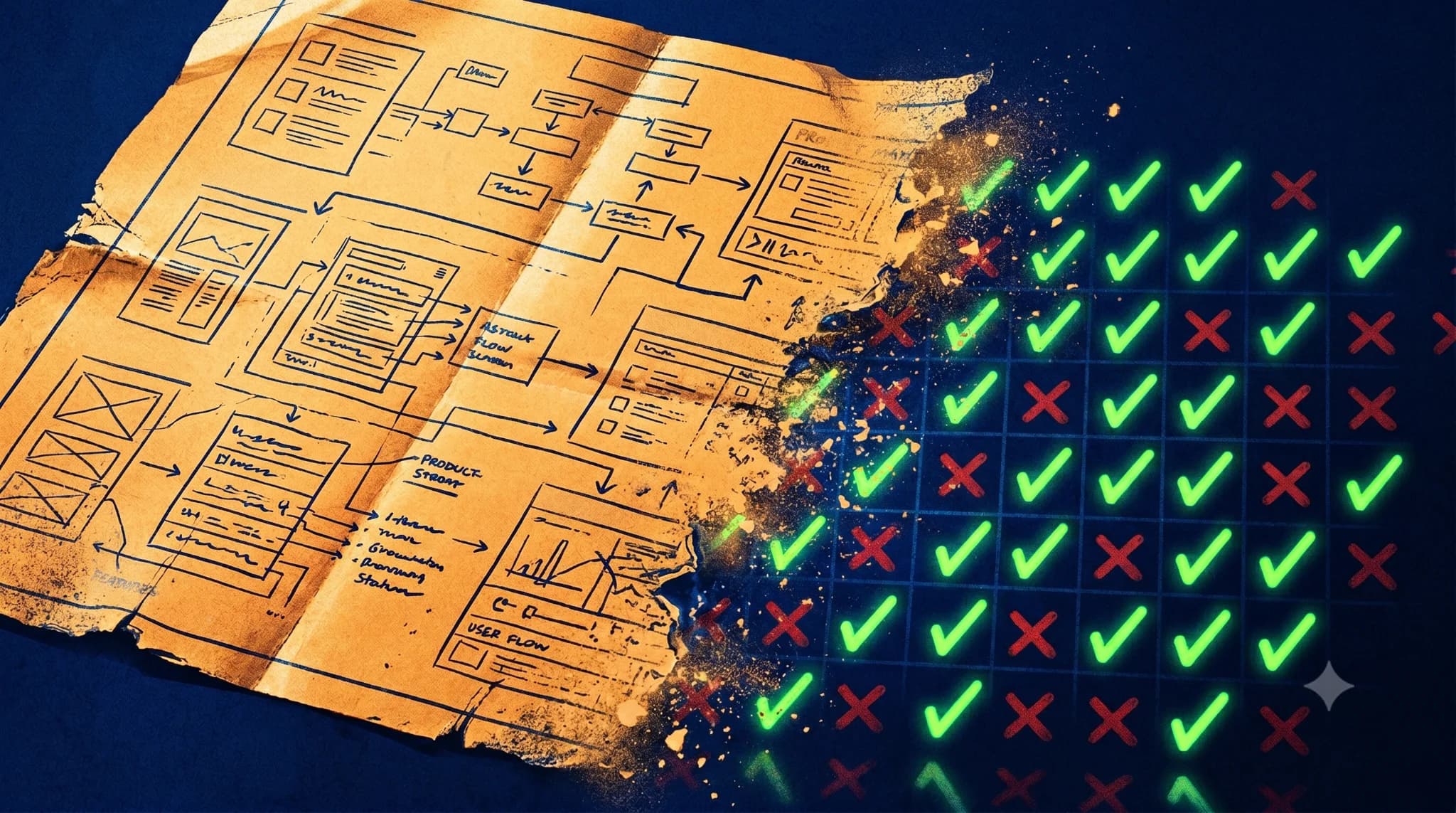
You can't write a spec for a system that never behaves the same way twice. The PRD is dead for AI products. The new core PM artifact is the eval — a graded test set that defines 'good' with a number.
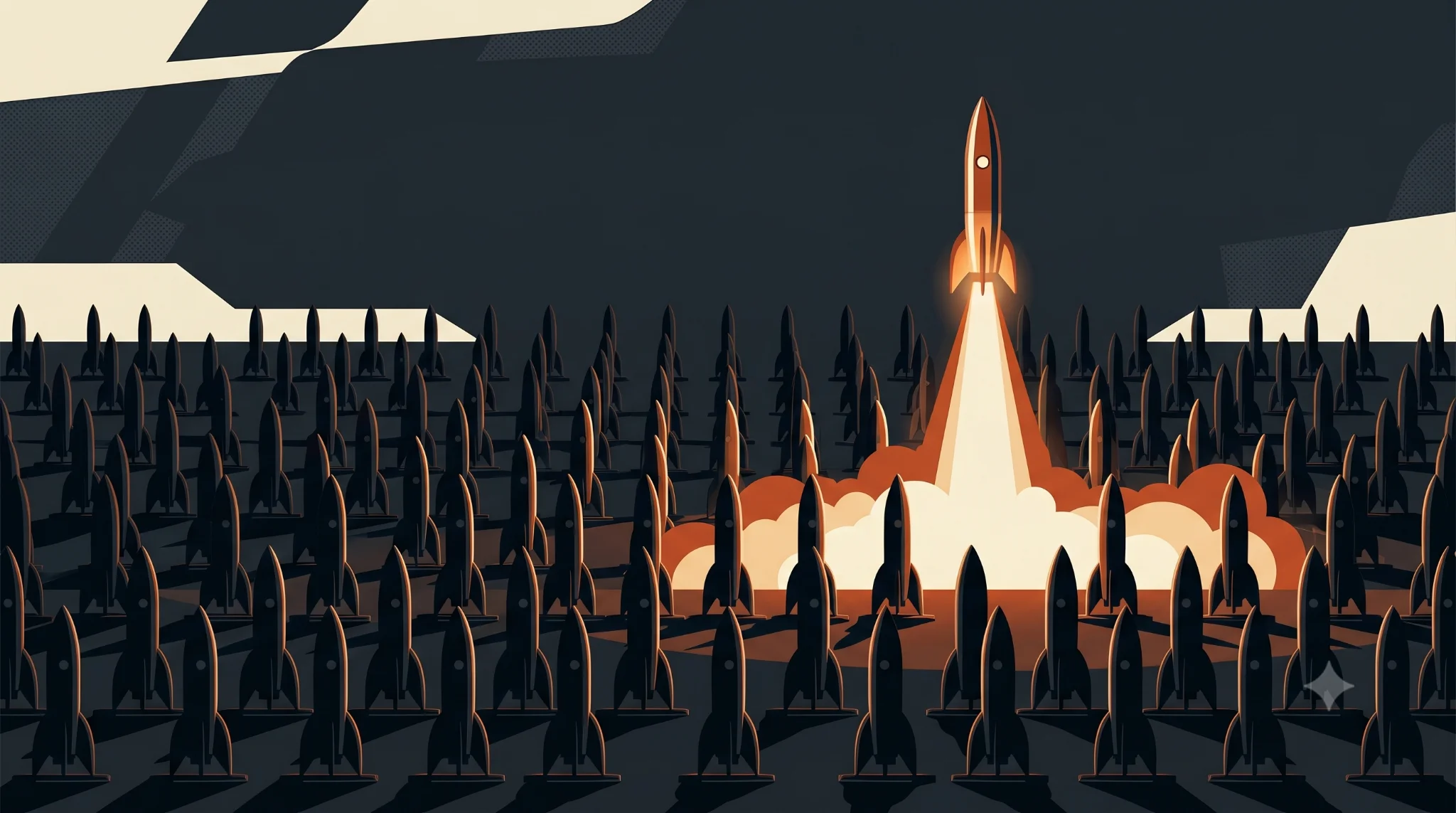
MIT found 95% of enterprise AI pilots deliver no measurable ROI. Here's why AI pilots fail — and the unglamorous things the 5% that work do differently.
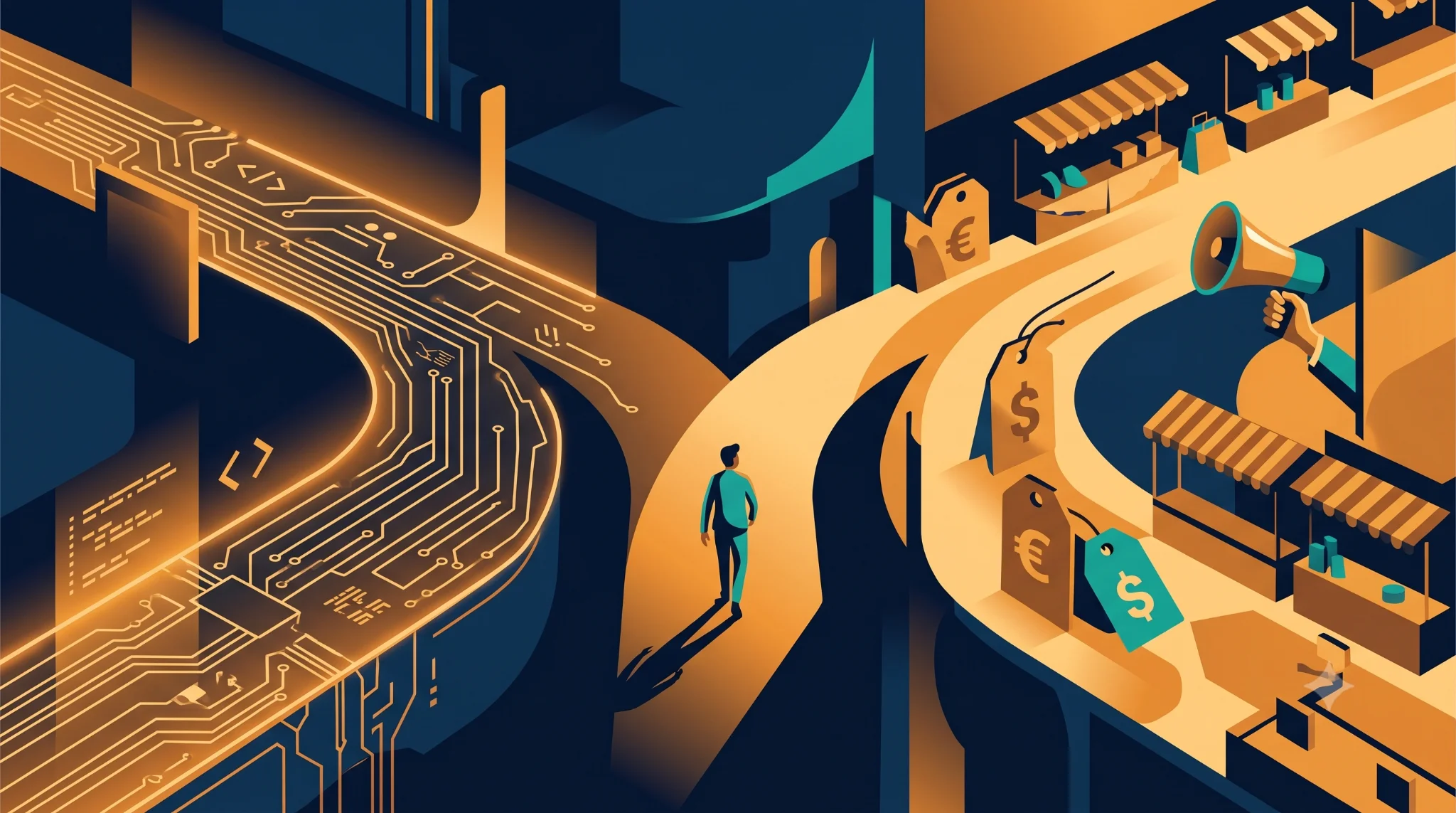
AI is automating the PM's old job description. In 2026 the product manager role is splitting into two — and the riskiest place to stand is the middle.

Most software features are rarely or never used. Here's what the feature adoption data really says — and how to ship less, cut more, and build what sticks.
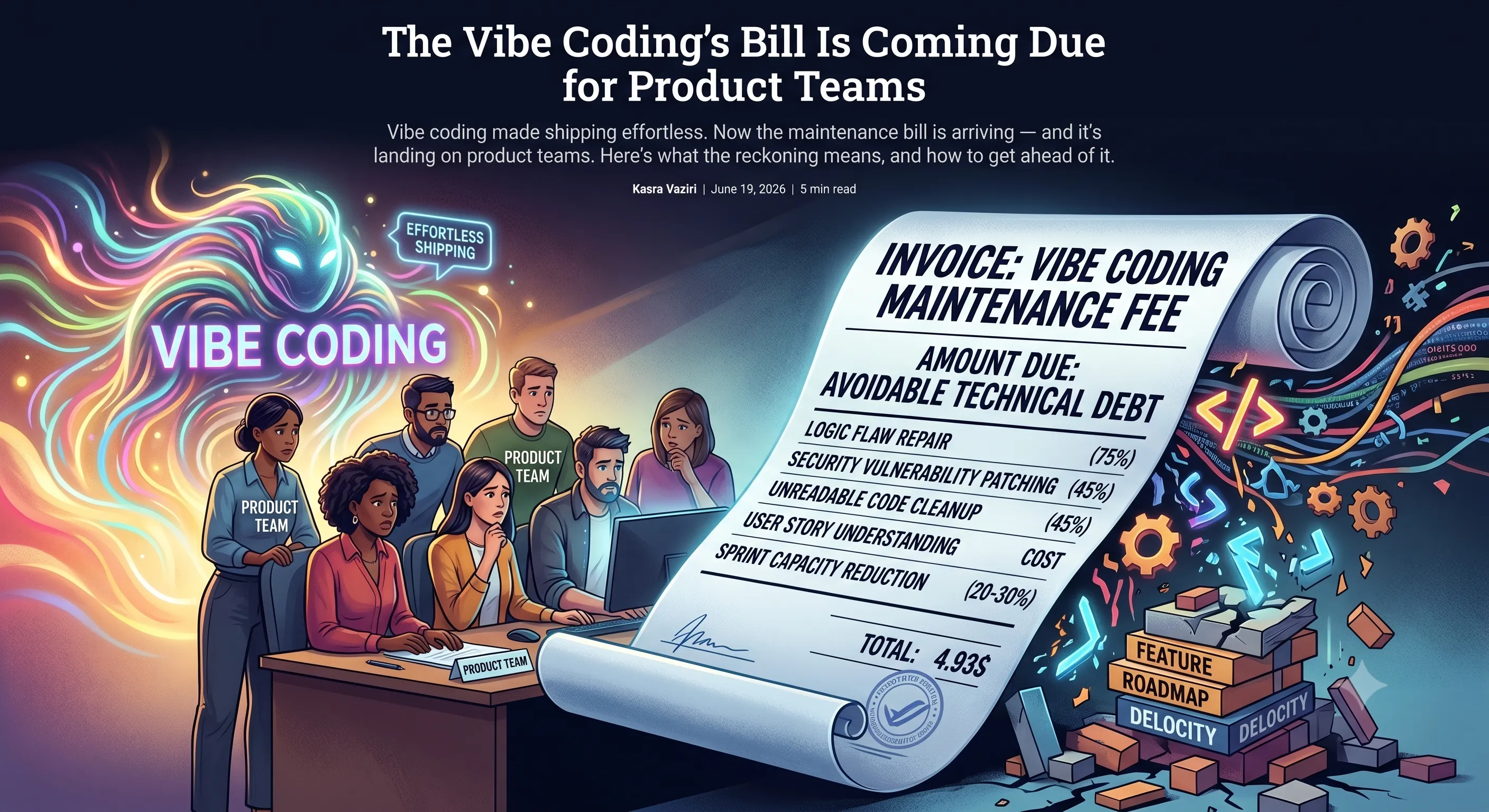
Vibe coding made shipping effortless. Now the maintenance bill is arriving — and it's landing on product teams. Here's what the reckoning means, and how to get ahead of it.